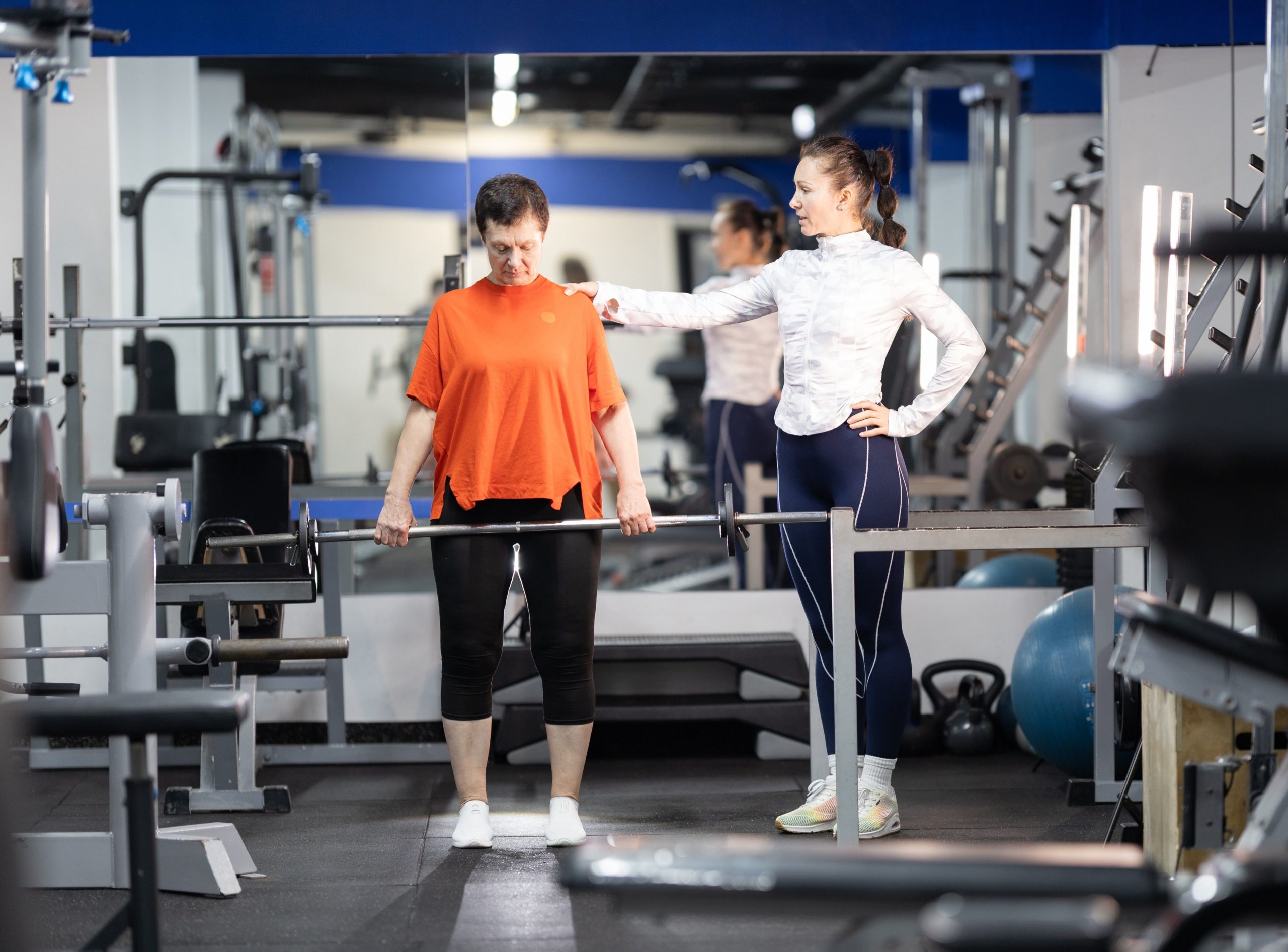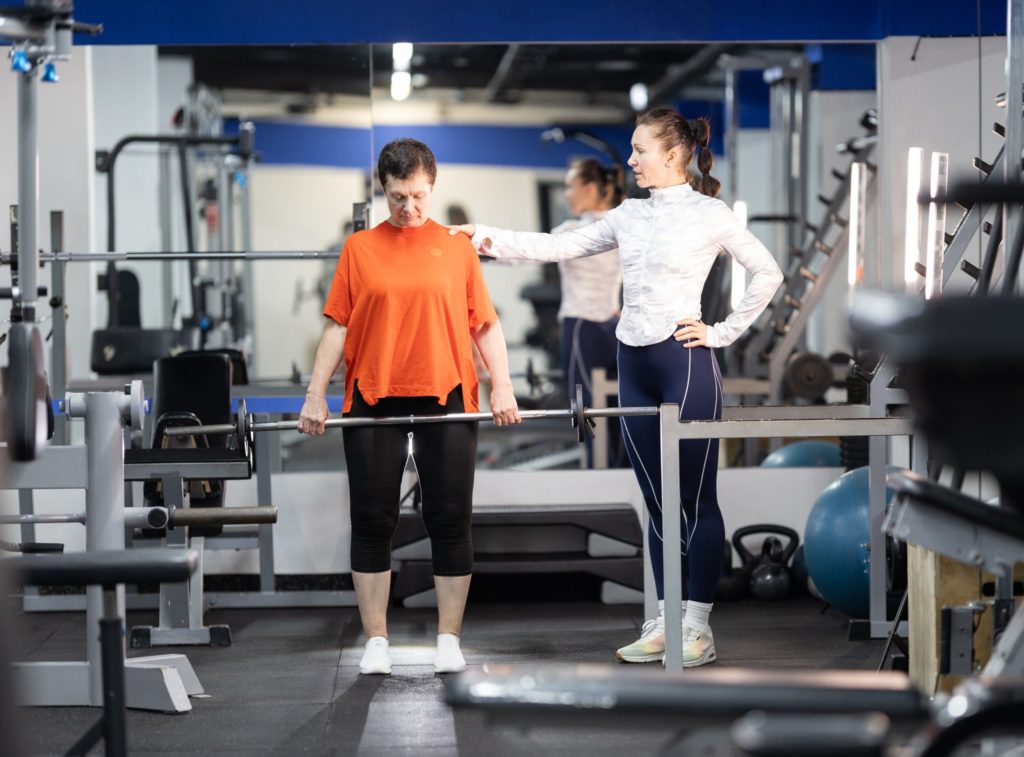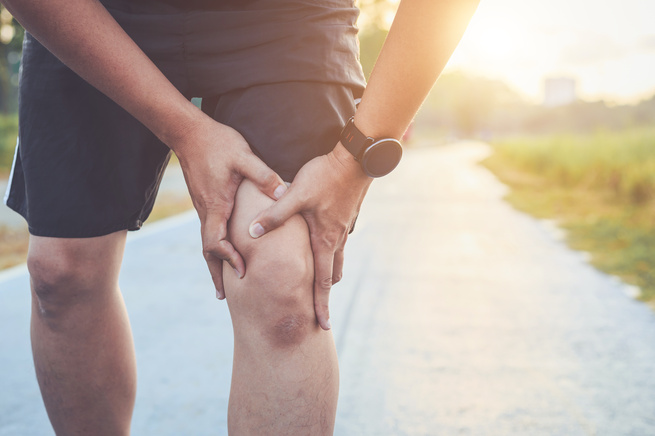


Whether you are starting a new fitness routine, returning to exercise after an injury, or training at an elite level, your physiotherapist can play a key role in helping you achieve your fitness goals safely and effectively. 

Goal Set – Set Yourself Up For Success! 

Working with your physiotherapist to set appropriate and achievable goals is an important way to plan your training and celebrate your achievements along the way! 

Using a framework like SMART Goals is one way to do this. 

  • S = Specific: Include specific details of what you would like to achieve. 
  • M = Measurable: Measuring your progress along the way is important. Setting shorter term goals as you build towards your long-term goal and celebrating your ‘wins’ along the way is an important way to measure how far you have come on your fitness journey. Measuring your progress will also allow you to determine when you have achieved your ultimate goal! 
  • A = Attainable: Setting challenging but achievable goals is important. 
  • R = Realistic: Your physiotherapist can work with you to set appropriate goals for where you currently are in your fitness journey. 
  • T = Timely: Setting a timeframe will help with outlining your training program and progressions. 

Individualised Exercise Programs to Improve Movement and Performance 

Optimising movement patterns is essential for improved performance and injury prevention. Whether your aim is to improve strength, flexibility, endurance, or return to sport successfully, your physiotherapist can work with you to design a tailored program that supports optimal performance. 

Everyone is different and has individual needs, so a generic approach may not always lead to optimal outcomes. Your physiotherapist can provide you with an individualised exercise program based on your specific needs, goals, and physical capacity, taking into account any current or previous injuries, allowing you to exercise with greater confidence. 

Injury Prevention 

Injuries can make maintaining a consistent training program challenging. Strength deficits, poor movement patterns and limited range of motion can have a big impact on activity. Physiotherapists can assess muscle strength, joint range of motion and biomechanics to identify areas of weakness, tightness, or decreased control. Working with your physiotherapist to address these deficits early can help decrease risk of injury and create a strong foundation for optimal training and long-term fitness success. 

Injury Rehabilitation 

Your physiotherapist can also support you on your fitness journey through injury rehabilitation, by using manual therapy techniques, prescribing rehabilitation exercises, load management strategies, and education around safe training principles. For individuals managing acute injuries or long-term conditions, physiotherapy provides safe strategies and education around activity modification so you can continue appropriate activity throughout your injury rehabilitation. 

Long-Term Health and Fitness 

Physiotherapy is fundamental in supporting individuals to have a life-long love of exercise and an active lifestyle, promoting movement and physical health. Through providing you with education, you can learn how to manage your body optimally and recognise early warning signs of injury, so that you can maintain an active lifestyle into the future. 

Whether you are aiming to improve elite performance, prevent injury, or simply move better in everyday life, physiotherapists can support you every step of the way so that you can achieve your fitness goals with confidence! 

If you’ve recently undergone—or are preparing for—a total joint replacement, the surgery is just the beginning of your journey. What happens in the days, weeks, and months that follow will shape your long-term results.

In Part 1, we covered the reasons for joint replacements, the importance of prehab, and what
to expect during surgery. Now let’s talk about recovery and rehab—because that’s where the
real work (and progress) happens.

Read more

Knee and hip pain can become more than just a nuisance—it can be life-altering. If you’re struggling with longstanding knee and hip issues due to arthritis or injury, your GP may suggest a consultation with an orthopaedic surgeon to investigate options of surgery. The most common surgery for osteoarthritis is a total knee replacement (TKR) and total hip replacement (THR) whereby bone and articular surfaces are replaced.

Read more

Recovery, Return to Play & Australian Rugby Protocols

In Part 1, we looked at how concussions happen in rugby and used Joseph Suaalii’s recent head injury as a real-world example. In this second part, we explore what happens after a concussion—how players are managed, monitored, and medically cleared to return to the game under Rugby Australia’s strict return-to-play guidelines.

Read more

Understanding the Signs, Symptoms, Risks, and Mechanism of Injury

In the high-impact world of rugby, concussions are an all-too-common occurrence. A recent example highlighting this issue is Joseph Suaalii, the rising star of Australian rugby, who was knocked out during an attempted tackle in a super rugby match over the weekend. This incident shone a spotlight on how rugby handles head injuries—both on and off the field as well as how the Wallabies will manage this with the upcoming British and Irish Lions tour.

Read more

Part 1: Understanding the Risk Factors and How Physiotherapy Can Help

As we age, our bodies naturally undergo changes that can affect mobility, balance, and strength. For many elderly individuals, falls represent one of the greatest health risks, often leading to severe injuries such as hip fractures, head trauma, or even death. The good news is that with the right prevention strategies and interventions, the risk of falls can be significantly reduced. One such intervention is physiotherapy, which can help improve strength, balance, and flexibility, all of which are key to preventing falls.

Read more

Is your knee or hip pain making it harder to do things? Are you waking up with stiff and sore joints? Are you beginning to avoid activity because of your joint pain? 

You are not alone and by reading this you are making the first positive steps towards improving your future. 

Osteoarthritis is common problem that can affect every joint of the body but mainly in the knees, hips and hands. While it is considered a degenerative condition the good news is there’s plenty that can be done to reduce your symptoms, prevent further deterioration, and improve your quality of life.  Read more

Is arthritis making the daily tasks you never had to think twice about increasingly harder? Whether your knees have started to protest the short stroll down to the local shops, or painlessly moving up the stairs is now a distant memory, you aren’t alone. 

Approximately 2.2 million Australians have osteoarthritis, with 12% of women affected and 6.8% of men. Of those who suffer from arthritis, one in five experience high levels of pain and distress, while one in two experience moderate to severe pain. 

But pain, as we age, is normal – right? Wrong. If you’ve been accepting osteoarthritic pain as a fact of life, we have great news. There’s a unique, leading exercise and education program designed specifically for people with hip or knee osteoarthritis that offers lasting results. It’s called GLA:D – Good Life with Arthritis: Denmark, and it’s helping to increase mobility and significantly reduce the day-to-day pain experienced by people with osteoarthritis across the world.

Read more

Temporomandibular disorders (TMDs) are an extremely common group of conditions affecting the jaw joints, known as the temporomandibular joints (TMJs). This group of conditions are an extremely common cause of jaw pain which is typically localised over one or both the jaw joints/TMJs and often associated with other symptoms, including jaw joint clicking, grinding and jaw locking which can cause problems with common activities such as mouth opening, chewing, biting, yawning, laughing and kissing.

Typically, TMDs are caused due to trauma to the jaw due to extended mouth opening, following a visit to the dentist, chewing or biting down on hard foods like apples and meat. Other causes of TMDs include a direct blow to the face or inflammation within the jaw joint as well as osteoarthritis.

Jaw pain is usually associated with a TMD however other less common causes of jaw pain include ear, nose and throat problems, dental problems, neck problems and nerve problems. Rarely more serious conditions associated with the heart, blood vessels or brain amongst others can also be involved which is why prompt assessment is always recommended. Read more