
Click or tap on a previous answer to change it.
Please note, your appointment time cannot be guaranteed until you submit the form.
Reset your local clinic selection.
×c Find a physiotherapy clinic
Find your nearest Restore Movement Physiotherapy physiotherapy clinic with your device's location or post code/suburb.
As we move into late summer and early autumn, many athletes are shifting gears toward pre-season training for AFL and NRL. This is a phase where training volume, speed work, and (for contact sports) tackling gradually increase. From a physio’s perspective, this period isn’t something to fear — but it does benefit from smart preparation and good load management.
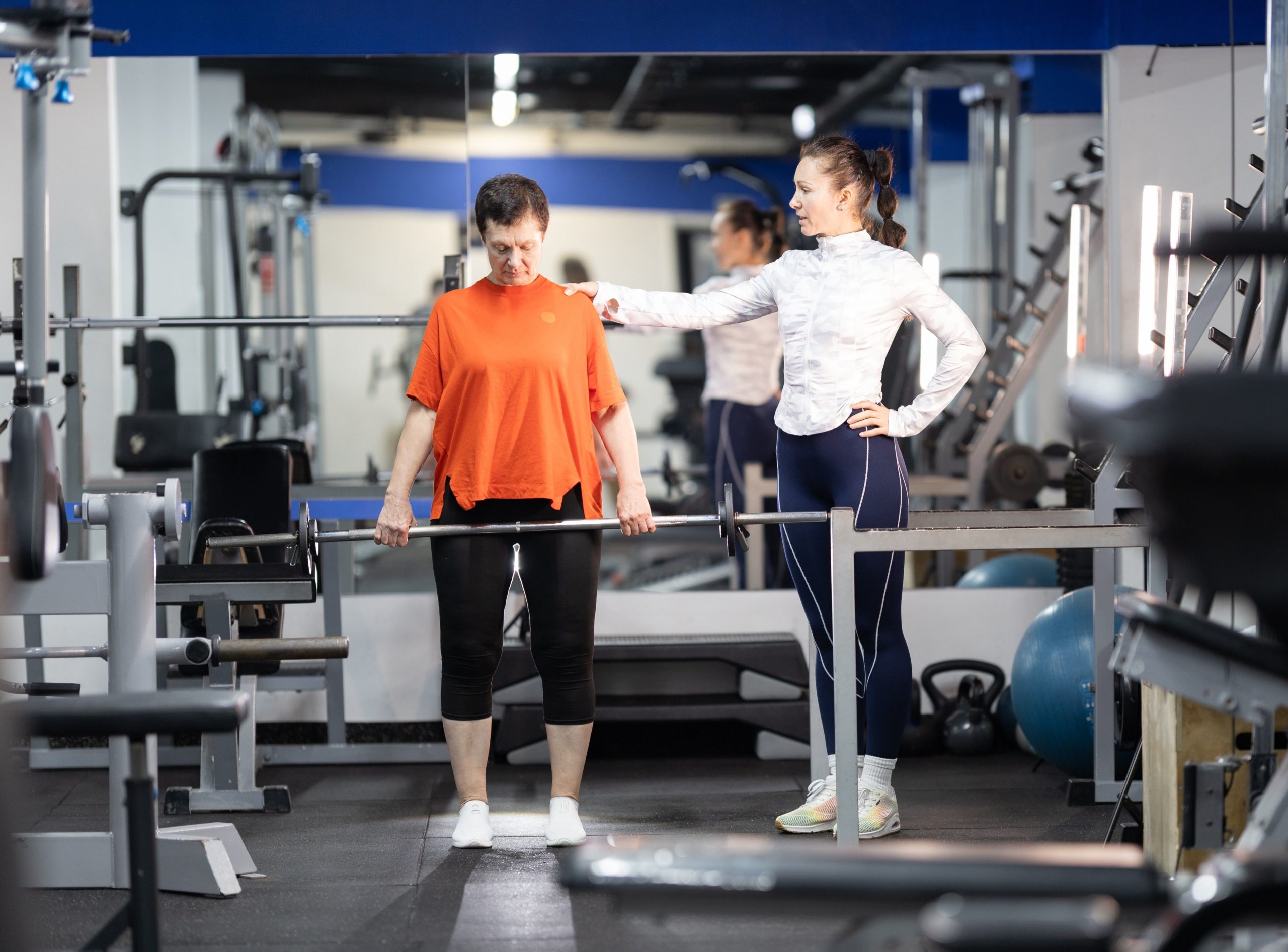
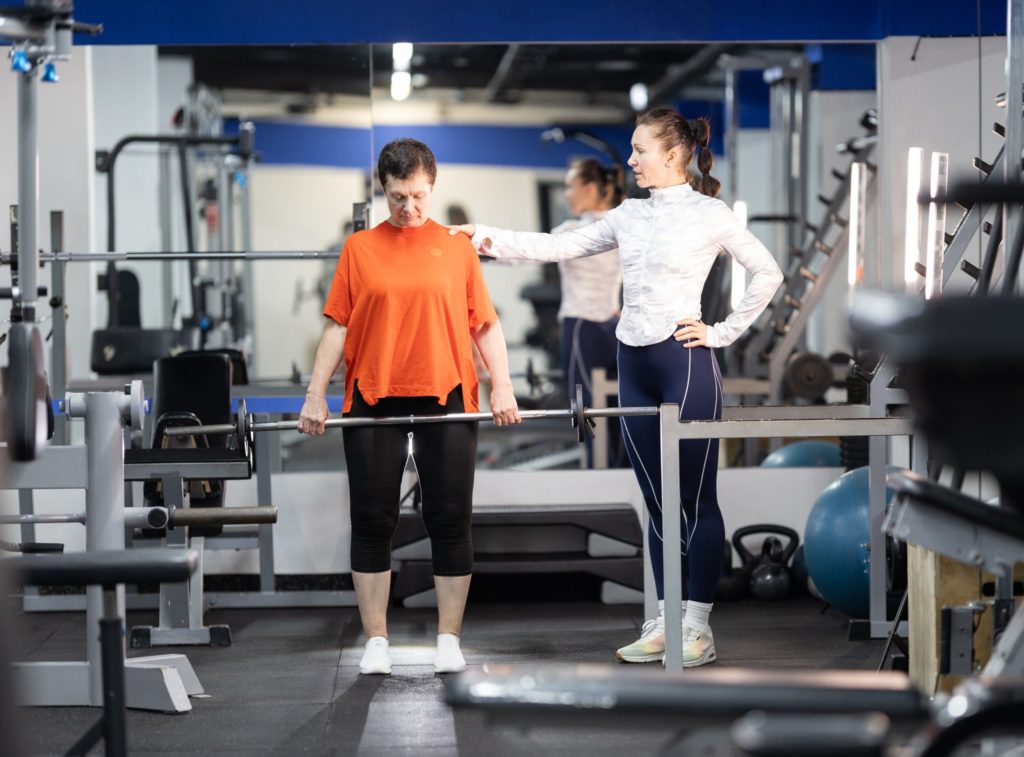
Whether you are starting a new fitness routine, returning to exercise after an injury, or training at an elite level, your physiotherapist can play a key role in helping you achieve your fitness goals safely and effectively.
Goal Set – Set Yourself Up For Success!
Working with your physiotherapist to set appropriate and achievable goals is an important way to plan your training and celebrate your achievements along the way!
If you’ve recently undergone—or are preparing for—a total joint replacement, the surgery is just the beginning of your journey. What happens in the days, weeks, and months that follow will shape your long-term results.
In Part 1, we covered the reasons for joint replacements, the importance of prehab, and what to expect during surgery. Now let’s talk about recovery and rehab—because that’s where the real work (and progress) happens.
Knee and hip pain can become more than just a nuisance—it can be life-altering. If you’re struggling with longstanding knee and hip issues due to arthritis or injury, your GP may suggest a consultation with an orthopaedic surgeon to investigate options of surgery. The most common surgery for osteoarthritis is a total knee replacement (TKR) and total hip replacement (THR) whereby bone and articular surfaces are replaced.
Recovery, Return to Play & Australian Rugby Protocols
In Part 1, we looked at how concussions happen in rugby and used Joseph Suaalii’s recent head injury as a real-world example. In this second part, we explore what happens after a concussion—how players are managed, monitored, and medically cleared to return to the game under Rugby Australia’s strict return-to-play guidelines.
Understanding the Signs, Symptoms, Risks, and Mechanism of Injury
In the high-impact world of rugby, concussions are an all-too-common occurrence. A recent example highlighting this issue is Joseph Suaalii, the rising star of Australian rugby, who was knocked out during an attempted tackle in a super rugby match over the weekend. This incident shone a spotlight on how rugby handles head injuries—both on and off the field as well as how the Wallabies will manage this with the upcoming British and Irish Lions tour.
Part 2: Practical Tips and Exercises to Prevent Falls in the Elderly
Now that we’ve discussed the importance of physiotherapy and the risk factors associated with falls in older adults, let’s dive into practical tips for falls prevention and exercises that can help improve balance and lower leg strength.
Part 1: Understanding the Risk Factors and How Physiotherapy Can Help
As we age, our bodies naturally undergo changes that can affect mobility, balance, and strength. For many elderly individuals, falls represent one of the greatest health risks, often leading to severe injuries such as hip fractures, head trauma, or even death. The good news is that with the right prevention strategies and interventions, the risk of falls can be significantly reduced. One such intervention is physiotherapy, which can help improve strength, balance, and flexibility, all of which are key to preventing falls.
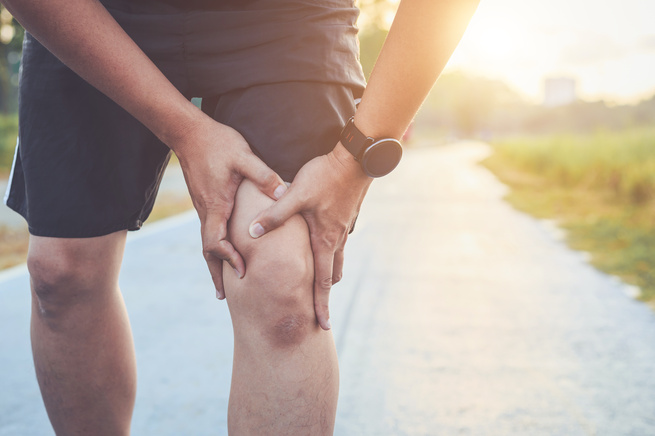
Is your knee or hip pain making it harder to do things? Are you waking up with stiff and sore joints? Are you beginning to avoid activity because of your joint pain?
You are not alone and by reading this you are making the first positive steps towards improving your future.
Osteoarthritis is common problem that can affect every joint of the body but mainly in the knees, hips and hands. While it is considered a degenerative condition the good news is there’s plenty that can be done to reduce your symptoms, prevent further deterioration, and improve your quality of life. Read more
Is arthritis making the daily tasks you never had to think twice about increasingly harder? Whether your knees have started to protest the short stroll down to the local shops, or painlessly moving up the stairs is now a distant memory, you aren’t alone.
Approximately 2.2 million Australians have osteoarthritis, with 12% of women affected and 6.8% of men. Of those who suffer from arthritis, one in five experience high levels of pain and distress, while one in two experience moderate to severe pain.
But pain, as we age, is normal – right? Wrong. If you’ve been accepting osteoarthritic pain as a fact of life, we have great news. There’s a unique, leading exercise and education program designed specifically for people with hip or knee osteoarthritis that offers lasting results. It’s called GLA:D – Good Life with Arthritis: Denmark, and it’s helping to increase mobility and significantly reduce the day-to-day pain experienced by people with osteoarthritis across the world.